Vehicle Kit Split: What Belongs in the Cab and in the Trunk

A vehicle kit is two kits, not one. The cab holds what you might need while sitting in a seat belt or standing at the roadside in the first two minutes. The trunk holds everything that supports a longer wait or a recovery, and the split matters because the trunk is unreachable in exactly the situations where you need it most.
The cab: reachable without getting out
A light, ideally a headlamp so both hands stay free, plus a small handheld for looking out into the dark. Gloves, because the first thing you will touch is something dirty, hot, or sharp. A window breaker with a seat belt cutter, mounted where you can reach it with either hand, not buried in the glovebox.
A warm layer and a hat, because the most common vehicle emergency is being stopped in the cold for two hours, and the second most common is being wet. Water in a bottle you can open one-handed. A paper map of the area, since a phone with no signal is a camera. And a phone mount with a cable, so the device is charged and visible rather than sliding under the seat.
If you carry a first aid kit, a small one belongs in the cab. The full kit in the trunk is useless while you are applying pressure at the roadside.
The trunk: recovery and the long wait
Tools for the vehicle: a proper jack and a working spare, a tire plug kit and a compressor, jump leads or a jump pack, a tow strap without metal hooks, and a folding shovel in snow country. A tarpaulin, a blanket or two, and a change of clothes in a dry bag.
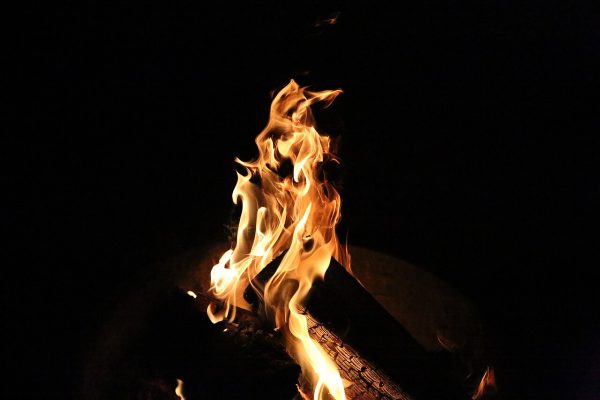
Then the items for waiting: water for several hours rather than one bottle, food that does not need cooking, a power bank, spare batteries, and a reflective triangle or two. In winter, add a bag of grit or sand for traction, and a small candle is often recommended for warmth, though an enclosed vehicle and an open flame is a combination to think about carefully before relying on it.
A fire extinguisher is worth the space and is often the item people leave out. A small dry powder unit for the engine bay is a reasonable compromise in a passenger car.
Heat, cold, and what the trunk does to gear
A trunk in summer reaches temperatures that destroy things quietly. Aerosol cans can rupture, adhesives melt, batteries lose capacity and sometimes leak, and medication degrades. Anything with a shelf life or a temperature limit should live in the cab or go with you, not in the trunk for a year.
Winter is the other extreme, and it is not just cold. A trunk that cycles between freezing and warm, with condensation, will rust tools and rot fabric. Store metal in a cloth roll or a box, keep the blanket in a dry bag, and check the kit at the start of each season rather than at the moment of need.
Water in the trunk freezes in winter and goes foul in summer. Rotate it, and keep a smaller bottle in the cab that gets drunk and refilled.
Theft, visibility, and the kit you can lose
Anything visible through glass invites a broken window. Keep the cab clear of bags and boxes, and put the visible items in something that looks uninteresting. The trunk is a better place for anything expensive, but a full trunk is also a target when the car is parked in a bad area for a week.
Assume the kit will eventually be stolen from one vehicle and build it cheaply enough that replacing it is annoying rather than painful. That also means the good headlamp goes with you, and the cab kit gets a serviceable one.
When the split fails
It fails after a collision, when the trunk will not open and the cab kit turns out to be a phone charger and a pair of sunglasses. The lesson is that the cab needs the items that matter in the first five minutes, not just the convenient ones.
It fails when the trunk is full of shopping, luggage, or a bicycle, and the emergency kit is underneath it. Keep the kit in one bag that can be lifted out, and pack the rest of the car around it rather than on top of it.
It fails seasonally, which is the most common failure of all. Winter gear gets taken out in spring and never comes back, so the first snow of the year finds a car with a blanket that has been in the garage since March. Put the seasonal swap on the same weekend as the clock change, and it will actually happen.
And it fails when the driver has never opened the kit. Inflate the spare, use the jump pack once, open the first aid pouch, and find out now what is missing.
The best vehicle kit is small, boring, and checked twice a year. The rest is a trunk full of good intentions.