Cash on Hand When Card Terminals and ATMs Fail
Payment systems fail earlier and more often than the power grid. A terminal needs power, a network link, and a payment processor, and all three can fail while the shop is open and staffed. When that happens, cash is not a survivalist affectation; it is the difference between buying what is on the shelf and leaving empty-handed.
What fails first
Card payments depend on a chain: the terminal, the local network, the acquirer, and the card network. Any break stops the transaction, and many shops have no fallback that works offline. In a wide outage, terminals either decline everything or go into an offline mode with a low limit and a signature, and staff who have never used that mode often will not.
ATMs fail in a different way. They need power and a data link, and they run out of cash quickly when demand spikes, because each machine holds a limited cassette load that is refilled on a schedule. The two hours after a visible disruption are the worst time to need one: queues form, and people withdraw far more than they need.
Small businesses are usually more flexible than chains. A market stall, a cafe, or a hardware shop can take cash with no infrastructure at all, which is why a modest amount of cash is most useful in exactly the places where the alternatives are weakest.
How much, and in what notes
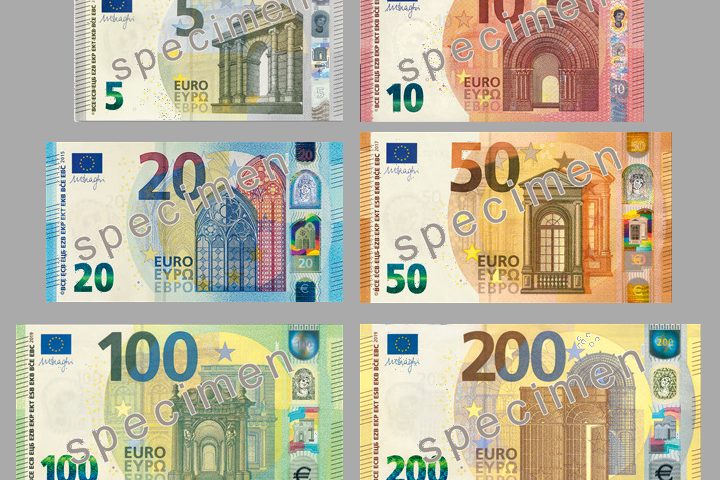
The useful figure is not a large number but a workable one: enough to cover several days of fuel, food, pharmacy items, and transport for your household, in denominations small enough to spend. A single large note is nearly useless when a shop cannot make change, and change is the first thing to run out in a disruption.
A practical split is mostly small and medium notes with a few larger ones for bigger purchases. Include coins, because parking meters, lockers, and vending machines do not take notes and are often the only thing working. Keep the amount somewhere between uncomfortable and crippling, and treat it as money you have already spent so you are not tempted to dip into it.
Review the amount once a year and after any change in household size. Cash that has been in a drawer for five years is usually the wrong amount and sometimes the wrong currency, particularly if you have moved country or if the notes have been replaced by a new series.
Where to keep it
Split it. A household that keeps everything in one envelope has one point of failure and one place a burglar looks. Two or three locations, known to the adults in the house, is enough, and at least one of them should be somewhere you would grab on the way out of the door.
A domestic safe is useful mainly against opportunists and children. It does not survive a determined burglar and it does not help if the house is damaged. A small fire-resistant pouch inside a larger container is a reasonable compromise for documents and a cash reserve, and it should be out of sight rather than merely locked.
Keep a small amount in a bag or coat that leaves the house with you. The point of a reserve is that it is with you when the disruption happens away from home, and cash in a drawer is no help when the trains stop and you are forty kilometres away.
What cash cannot buy
Cash does not fix a fuel pump that has no power, an online order that needs a working delivery network, or a hospital that is not accepting anyone. It does not help if the shop has no stock, and in a long disruption it buys less each week as prices move. It also does not solve the problem of getting home if roads are closed.
It is worth being clear about the failure mode people worry about most. In a very long disruption, cash can become less useful than a full pantry and a good relationship with neighbours, and carrying large sums visibly makes you a target rather than a customer. The reserve is for the first days, when systems are down but society is normal and shops are still open.
When this fails
Cash fails when there is nothing to buy, when the amount is too large to spend in small transactions, and when it is stored in one place that is destroyed or found. It fails in a total banking disruption where prices are set by negotiation and goods, fuel, and labour are the real currency.
It fails badly if you are away from home without any on you, which is the most common version of the problem: the disruption happens mid-journey, the card reader is down, and the reserve is in a drawer two hundred kilometres away. That argues for a small amount carried daily, not a large amount stored well.
The habit that makes the plan work is simple: keep a modest reserve in small notes, keep some of it on you, and spend it down and replace it once a year so you know it is there and still usable.