Hypothermia in the Field: Early Signs and Rewarming
Hypothermia develops slowly and then shows up suddenly. The body loses heat faster than it produces it, core temperature falls, and the first thing to go is the judgement needed to notice. Most serious cases in the outdoors begin with someone who was cold, kept walking to stay warm, and did not recognise the point where walking stopped helping.
The signs that get missed
Early hypothermia looks like being cold and unhappy. Shivering, cold hands, loss of fine coordination, and a tendency to fumble with zips and buckles. A person who cannot do up their own jacket with cold hands is further along than they think, because fine motor control fails before gross movement.
The next stage is behavioural. Unusual quietness, apathy, stumbling, slurred speech, and poor decisions, including the decision to keep going rather than stop. Someone who insists they are fine while shivering hard and walking badly is a person who needs to stop now, and argument is part of the condition rather than a character flaw.
The dangerous paradox is the person who stops shivering and says they feel warmer. That is not recovery; it is the body giving up on heat production as core temperature falls further. A casualty who is cold, confused, and no longer shivering needs urgent evacuation, not a hot drink.
Mild: stop early
At the shivering stage, the treatment is shelter, dry clothing, and calories. Get out of the wind, put something between the person and the ground, remove wet layers, and replace them with dry insulation including a hat. Add a warm, sweet drink if the person is fully alert and able to swallow, since sugar and warmth together support shivering.
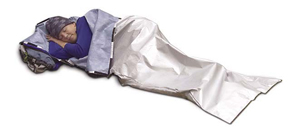
Insulate aggressively. A sleeping bag, a foil blanket, spare jackets, and a foam mat underneath will do more in ten minutes than an hour of walking. Wrap the head and neck, including the face, and cover the hands; peripheral vasoconstriction means the extremities are already cold and stay cold until the core recovers.
Do not send a shivering person back down the trail to keep warm unless shelter is genuinely impossible and the walk out is short and downhill. Exercise generates heat, but it also moves cold blood from the limbs back to the core, and a tired person who is already borderline can deteriorate while walking.
Rewarming in the right order
The order is: stop heat loss, then add external heat, then add fuel. Stop the loss first with windproof shelter and insulation underneath and around. A person on snow with a bag over them and nothing beneath is still losing heat through the ground.
Add heat to the core, not the limbs. Skin-to-skin contact inside a sleeping bag with another person is the classic field method and remains effective. Chemical warmers, warm water bottles wrapped in cloth and placed at the armpits, chest, and groin, and warm air all help. Keep the extremities insulated but do not rub or massage them.
Handle a moderate or severe casualty gently and horizontally. Rough movement can trigger a further drop in core temperature as cold blood from the legs returns to the heart, and in severe cases it can provoke dangerous heart rhythms. Keep the person still, insulated, and warm, and get help moving.
What not to do
Do not give alcohol. It dilates surface blood vessels, increases heat loss, and impairs judgement. Do not rub the skin or limbs, which does not warm the core and can damage tissue that is already cold. Do not put a moderately or severely hypothermic person in a hot bath or shower; the sudden peripheral vasodilation can drop blood pressure and push cold blood to the core.
Do not let a cold person sleep unattended. A casualty who becomes drowsy may be moving from mild into a more serious state, and the change can be quick. Do not assume that shivering means the situation is under control, or that a person who has stopped shivering is recovering.
Avoid giving food or drink to anyone who is drowsy, confused, or unable to swallow, because of the risk of choking. Alert and shivering is the group that can safely take a warm drink.
When this fails
Field rewarming fails when the casualty is confused, no longer shivering, or drifting in and out of alertness, because at that stage external heat and warm drinks are not enough and the person needs evacuation and professional care. It fails in wind and wet, where you cannot stop heat loss faster than it is happening, and in a group too small to carry both the casualty and the shelter.
It fails when the casualty is also wet and the spare clothing is not in a dry bag, which is a packing decision made days earlier rather than a rescue problem. It fails when someone is injured and cannot be moved, so the shelter has to be built around them in conditions that make building slow.
This is general field guidance, not medical advice. Anyone with suspected moderate or severe hypothermia, or with a reduced level of consciousness, needs emergency medical assessment, and the priority in the field is to keep them still, insulated, and warm until that arrives.