Filter, Chemical Drops, or Boiling: Choosing by Water Source
Water treatment decisions get made on gear instead of on water. The filter that is perfect for a fast alpine stream is the wrong tool for a silty farm pond, and chlorine drops that work in clear water need four times as long in cold, cloudy water. Start by looking at the source, then choose the method that covers its specific risks.
Read the source before the gear
Fast, cold, clear water from above the treeline carries the lowest pathogen load. Water below grazing land, campsites, or beaver activity carries more. Warm standing water in late summer carries the most. Surface water downstream of human settlement should be assumed to hold viruses as well as bacteria and protozoa, which changes what counts as adequate treatment.
Turbidity is the practical variable most people ignore. Sediment shields organisms from chemical disinfectants and clogs filters quickly. If a glass of the water is cloudy, let it settle, strain it through cloth, and treat the clear water rather than the mud.
Boiling
Boiling is the most reliable method and needs no consumable other than fuel. A rolling boil kills bacteria, viruses, and protozoa. The common guidance of one minute at a rolling boil, with a few minutes added at altitude, is generous rather than marginal, and the real costs are fuel and time. What boiling does not do is remove sediment or chemical contamination.
Boiling also concentrates whatever was dissolved in the water, since the water leaves as steam and the salts stay. In agricultural or industrial country that is a reason to change source rather than to boil harder.
Both boiling and chemicals share one failure that has nothing to do with the method: recontamination after treatment. A clean filter followed by a dirty bottle mouth, or a cap set down in mud, undoes the work in a second. Treat the outlet, the threads, and your hands as part of the system, and keep treated water in a container that has never held untreated water.
Filters
Filters remove rather than kill. A hollow-fiber cartridge rated to 0.1 micron absolute stops bacteria and protozoa, including Cryptosporidium, and passes viruses, which are smaller. That is adequate for most backcountry sources in North America and Europe and inadequate for water contaminated by human waste.
The two ways filters fail in the field are freezing and clogging. A wet hollow-fiber cartridge that freezes once can develop hairline cracks that pass everything while the filter still flows normally. Sleep with it in winter. Clogging is maintenance: backflush, prefilter through cloth, and accept that silty water will shorten cartridge life by a large factor.
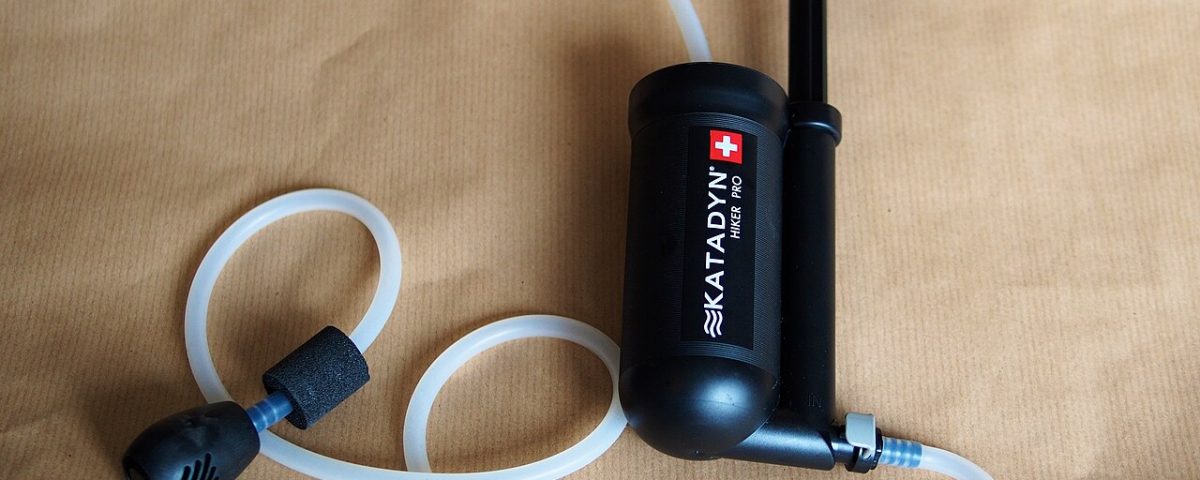
Gravity and pump systems differ less than the marketing suggests. A pump is faster for a liter or two and worse for a group; a gravity bag is slow to start and then treats four liters while you pitch camp. For solo trips of a day or two, a squeeze filter in a pocket wins on the only metric that matters, which is whether you actually stop to use it.
Chemical treatment
Chlorine dioxide is the most capable of the chemical options, with useful action against protozoa if it is given enough time. Household chlorine bleach works against bacteria and viruses but is weak against Cryptosporidium, and the dose depends on concentration and on how much organic material is in the water. Iodine is effective but has taste and thyroid-related caveats that make it a poor choice for routine use.
Contact time is where chemical treatment breaks down in practice. Cold water needs hours, not the twenty minutes people remember from the label. Water near freezing may need four hours to reach the effect that takes thirty minutes at room temperature. If you plan to drink in ten minutes, chemicals are not your method.
Combining methods, and where plans fail
The useful combination is filter then chemical: remove sediment and protozoa mechanically, then use a small dose of chlorine dioxide to cover viruses and anything the cartridge missed. It costs weight and time; it is the right answer for questionable sources and overkill for a clear alpine stream.
The clear failure is a filter that has been frozen, or a chemical dose used on cold cloudy water and drunk too soon. Both are silent. The water looks fine and the treatment was never effective. The other failure is relying on a single method with a single point of failure: one cracked cartridge, one spilled bottle of drops, one stove with no fuel left.
No method makes contaminated water safe in every sense. If a source smells of fuel or chemicals, or sits below a visible discharge pipe, treatment does not fix it. Find another source. That judgment is worth more than any device in the pack.
Carry two methods and know which one you are using for what. A filter for volume, drops for backup and for viruses, a metal cup for boiling when the other two are compromised.
Then practice the awkward part, which is the wait. Treatment abandoned early is the most common way a good method fails.